It’s a familiar piece of advice: “Only invest in what you know.” While this seems like sound guidance, does it always hold true in various markets? How many investors truly understand every nuance of the markets they invest in? Take, for example:
- Real estate: Do investors fully grasp zoning regulations, property management, or the intricacies of local markets?
- Stocks: Do they know the internal workings of every company in their portfolio?
- Venture capital: Can they predict with certainty which startups will succeed?
- Commodities, cryptocurrencies, and bonds: Are investors fully versed in these volatile markets?
In reality, most investors don’t have in-depth knowledge of every asset they invest in. Yet, they rely on expertise, data, and strategic insight to make profitable decisions.
So, why is film finance often viewed as riskier or more complex than these other markets?
Film as an Asset Class: Collateralized and Secure
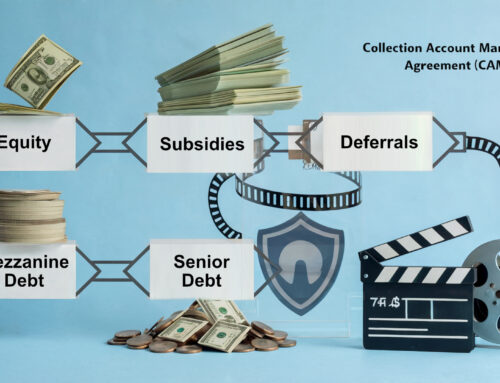
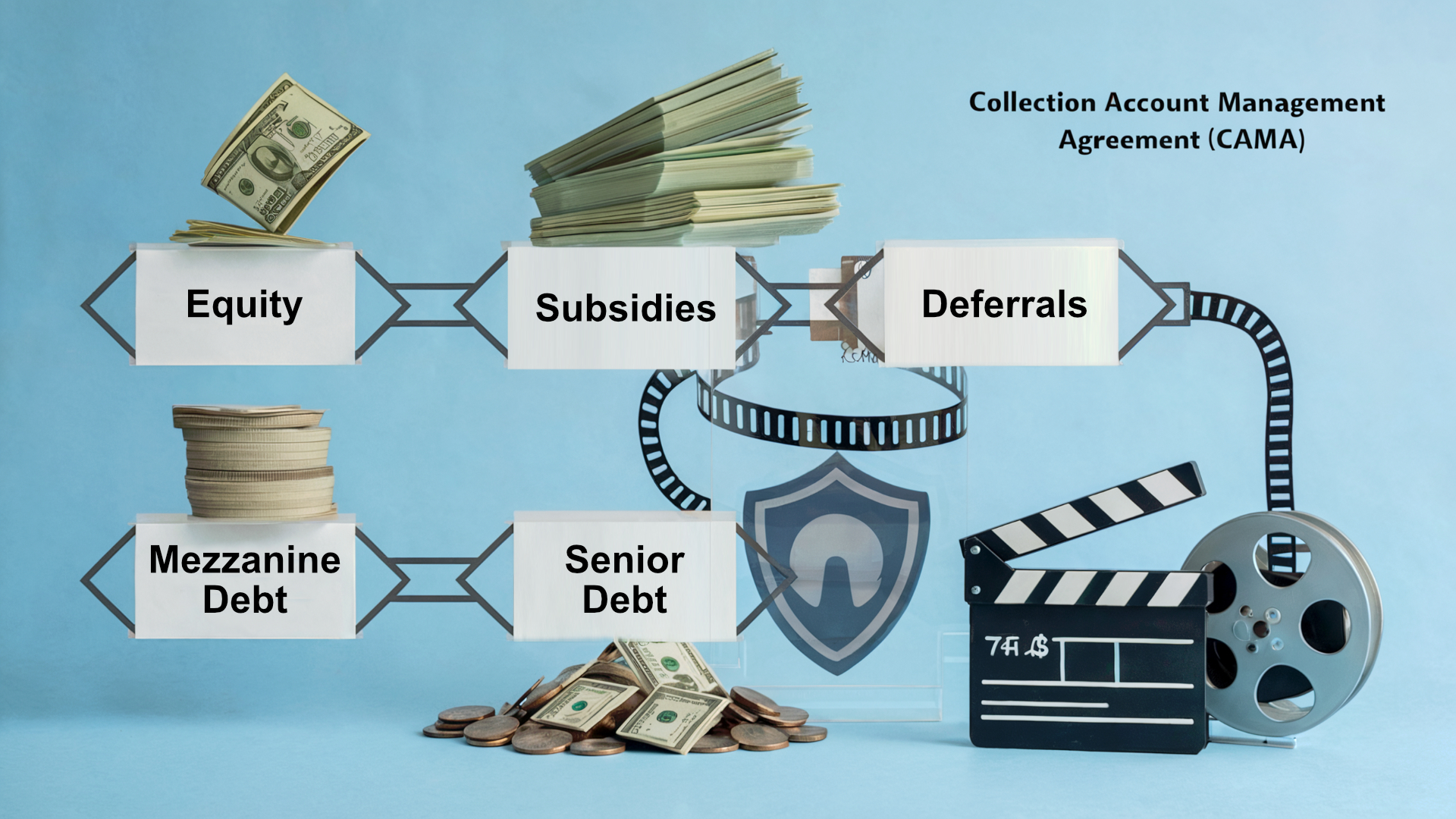
What many investors overlook is that most (if not all) of the returns in film finance are generated through collateralized assets. Rather than relying on box office numbers alone, film investors secure returns through reliable financial instruments such as:
- Pre-sales contracts: These agreements guarantee revenue from distributors before the film is even completed, securing a portion of the budget.
- Tax incentives: Many countries offer tax credits or rebates to incentivize film production, significantly reducing financial risk.
- Unsold territories: Films often retain untapped value in international markets. Rights to distribute the film in these unsold regions can be leveraged or sold, generating further returns.
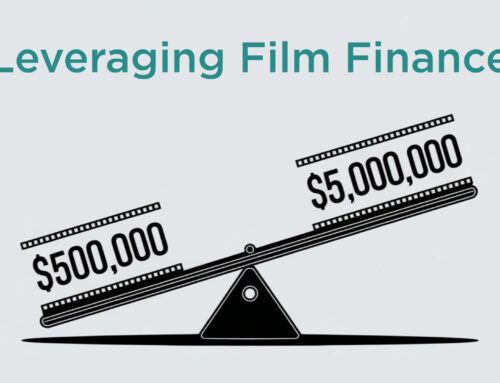
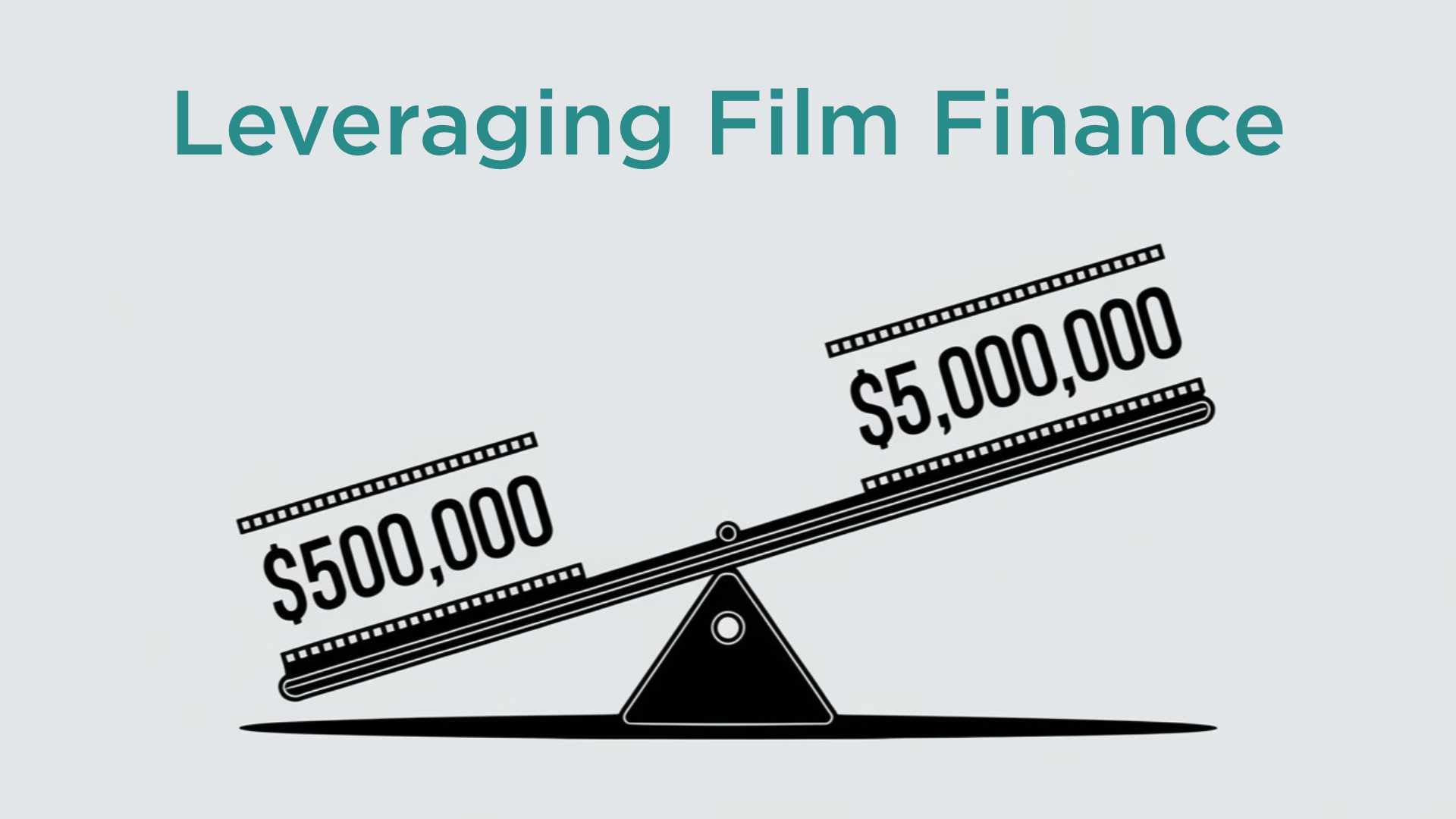
These mechanisms make film finance less speculative and more structured than many realize. With the right strategy, a significant portion of the investment is de-risked before the cameras even start rolling.
The Select Few Who Profit
A handful of savvy financiers understand how to navigate this asset class, consistently outperforming traditional markets. They leverage collateralized deals, tax incentives, and global distribution opportunities, approaching film investment with the same rigor and structure they apply to other sectors.
For these investors, film finance isn’t a gamble—it’s a well-researched, strategic play with multiple streams of secured income.
Redefining the Risk
The misconception that film is a “risky” or “unknown” investment is outdated. Just as with real estate or stocks, successful film finance is about understanding the fundamentals, working with the right team, and using smart financial structures to minimize risk.
Investing in films doesn’t require insider knowledge of Hollywood. With proper due diligence and the right approach, film can become a valuable, collateralized addition to any investment portfolio—offering returns that often outperform traditional markets.