Presales finance
Finance secured against distribution agreements in specific territories, where repayment is linked to contracted sales once delivery conditions are met.

Explore how commercial films are financed, how risk is structured, and whether this alternative investment category aligns with your capital strategy.
Based in Antwerp, Belgium. Focused on international commercial film finance.
Film is not one investment type. Presales finance, tax incentive finance, gap finance, equity participation and slate-based diversification each carry different risk, liquidity, return and recoupment logic.
The investor problem
Film investment is often treated as either glamour or speculation. In reality, commercial film finance can involve several different structures — each with its own security, repayment path, time horizon and upside potential.
Finance secured against distribution agreements in specific territories, where repayment is linked to contracted sales once delivery conditions are met.
Production cash flow supported by government-backed incentives or rebates, usually linked to qualifying local production spend.
Intermediate finance based on the estimated value of unsold territories, carrying more risk than senior or asset-backed positions but potentially stronger economics.
Capital exposed to the success of the film after senior obligations are repaid, with higher risk and stronger potential upside.
A portfolio approach across multiple titles rather than a single project, spreading exposure so that performance depends on the slate as a whole.
Positioning
Film finance can sit alongside other alternative assets, but it should not be judged as one single category. Depending on structure, it may behave more like private credit, receivables finance, project finance or venture-style equity.
| Asset class | Liquidity | Downside protection | Upside potential | Typical horizon | Main risk |
|---|---|---|---|---|---|
| Public equities | High | Low | Medium | Flexible | Market volatility |
| Bonds | Medium | Medium | Limited | Medium | Credit risk |
| Real estate | Low | Medium | Medium | Long | Liquidity risk |
| Private credit | Low | Medium | Medium | Medium | Credit risk |
| Venture capital | Low | Low | High | Long | Execution risk |
| Art & collectibles | Low | Low | Medium | Long | Liquidity risk |
| Film finance | Low | Structure-dependent | Structure-dependent | Short–medium | Delivery & recoupment risk |
Film finance horizons vary by structure. Tax incentive, presales and senior debt structures may be relatively short-term, while equity and upside participation can take longer and depend on recoupment performance.
Investor Assessment
The Investor Assessment helps investors explore whether commercial film finance aligns with their investment focus, risk appetite, time horizon and portfolio interests.
Start AssessmentThis is an educational assessment, not investment advice. Not a suitability assessment and not an offer to invest.
Result profiles
Structured repayment logic with senior or asset-backed positioning over speculative equity exposure.
Focus on defined repayment logic, downside awareness and senior positioning in the waterfall.
Combination of structured repayment and selected upside exposure with clearly defined recoupment.
Openness to equity participation, selected gap exposure and longer-term outcomes.
Preference for diversified exposure across multiple projects via slate-based diversification.
Further understanding of film finance fundamentals would be valuable before considering any structure.
Based on horizon, liquidity needs and risk tolerance, film finance does not currently appear aligned.
Our approach
We focus on films with clear audience positioning and international market potential.
Projects are evaluated through practical production, sales and distribution realities.
Each opportunity must have a clear repayment path, waterfall and risk profile.
Collection accounts, reporting structures and professional oversight are used where appropriate.
Not every film should be financed. Selection discipline is central to the model.
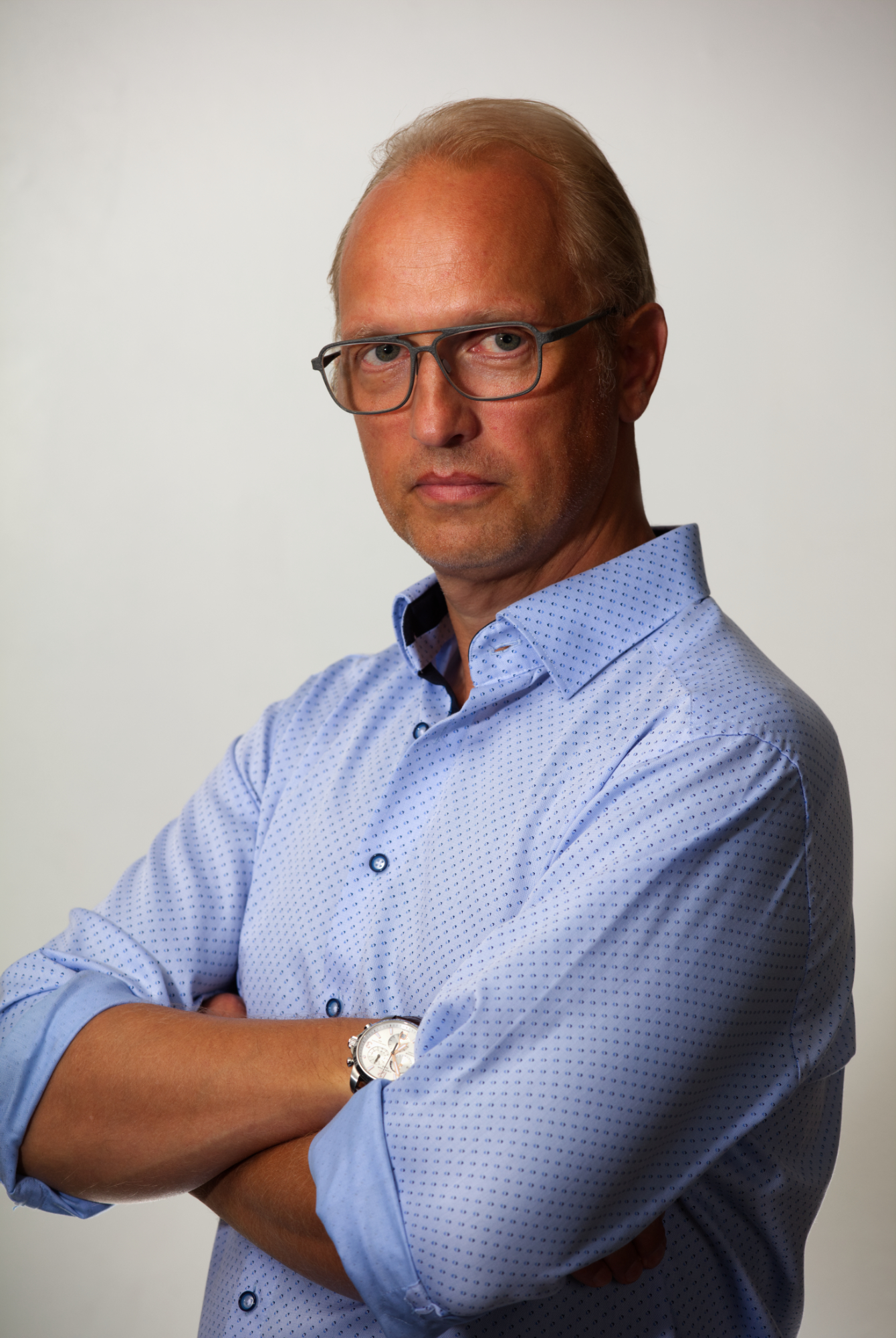
Leadership
True Media Capital is led by Daniel Maze, a film producer, advisor and tech entrepreneur with two decades of experience in financing, developing and producing international feature films across the U.S., U.K. and Europe.
Daniel works at the intersection of production, finance, sales, market strategy and practical technology. He helps structure cross-border productions, optimize tax incentives, manage co-production budgets, streamline cash flow and assess how commercial films can be financed, delivered and recouped.
He advises independent production companies and major studios on European production and financing structures, and leads a focused development team shaping commercial films rooted in value-driven storytelling. His long-standing relationships with international sales agents and distributors give him a practical understanding of what the global market buys, how films are packaged, and where investor risk needs to be carefully managed.
TMC was created to give investors a clearer, more disciplined way to understand commercial film finance as an alternative investment category, grounded in real production experience, strategic judgment and pragmatic execution rather than theory.
For broader film advisory and producer strategy, visit DanielMaze.com.
For investors, not general consulting
True Media Capital is focused on investor education, capital strategy and selected film finance opportunities. Broader film advisory, producer strategy and development consulting sit separately under Daniel Maze.
Visit DanielMaze.com for producer advisoryBefore considering any film investment opportunity, understand the financing model, the repayment path, the risks and the upside.